

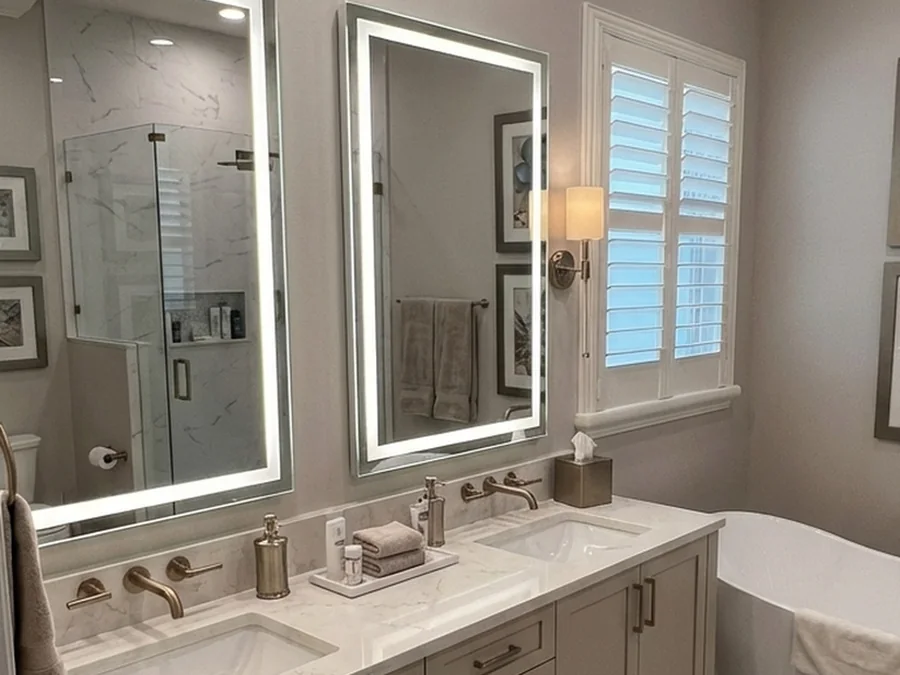
If you’re searching for interior designers jupiter fl, you may already have a clear picture of the room you want, but no clear picture of how to get there. That is common in Jupiter homes. A kitchen needs better flow, a bathroom feels dated, or a home office never quite worked once real daily use set in.
The confusing part is not finding names online. It is figuring out who fits your project. Some professionals focus on furnishings and finishes. Others create plans but do not manage construction. For larger remodels, that difference matters. The right fit can save rework, delays, and expensive misunderstandings.
Starting Your Jupiter Home Renovation Journey
Most homeowners start with photos, saved ideas, and a rough sense that the house is not working as well as it should. The kitchen may feel cramped. Storage may be missing. A bathroom may look fine in pictures but fail in daily use. That is the point where design becomes more than decoration.

A smart hiring decision starts with one question. Are you changing how the room looks, or how it works? If the answer involves layout changes, cabinetry, lighting plans, plumbing relocation, storage design, or better traffic flow, you are in renovation territory.
That distinction keeps you from hiring the wrong kind of help.
Decorating and remodeling are not the same job
A decorator can help with furniture, rugs, art, window treatments, and surface styling. That can be enough for a finished room that needs polish.
A remodel asks for more. It usually involves measured drawings, selection coordination, decisions that affect trades, and practical planning around construction. In kitchens, baths, laundry rooms, and built-ins, every design choice has consequences for installation.
A beautiful plan is only useful if it can be built cleanly, permitted when needed, and installed without conflict between trades.
Homeowners do best when they slow down early, define the project clearly, and vet professionals based on scope, not just style. That keeps the process calm from the start.
A Quick Checklist Before You Search
Use this short list before you start calling firms or booking consultations.
- Define the room’s job: Write down what is not working now. Poor storage, awkward circulation, bad lighting, limited seating, or worn finishes all point to different solutions.
- Separate wants from must-haves: Heated floors and custom millwork may be on the wish list. Better function and durable materials may matter more.
- Set a working budget: Cost varies by scope and selections. Decide what range feels responsible before anyone starts designing around assumptions.
- Know which type of pro you need: Furnishings help, space planning, or full design-build support are different services.
- Save images carefully: Collect examples that show layout ideas, not just pretty finishes.
- Prepare to compare process, not personality alone: A pleasant meeting matters, but communication, documentation, and coordination matter more once the work starts.
First Step Defining Your Project Scope and Budget
Many hiring problems begin before the search begins. The homeowner says, “We want to update the kitchen,” but that can mean very different things. It might mean new paint and lighting. It might also mean moving appliances, reworking cabinetry, opening a wall, and improving storage from the inside out.
Start with function first
Ask practical questions before style questions.
- How do you use the room daily? A kitchen for frequent cooking needs different layout decisions than a kitchen used mostly for entertaining.
- What causes frustration now? Note specific issues like door swings that collide, shallow drawers, poor task lighting, or not enough landing space near appliances.
- Who uses the space? Children, guests, remote workers, and aging-in-place needs all affect layout.
- What should the room do in five years? Long-term use matters more than a finish trend.
This exercise turns vague ideas into scope. Scope is what helps a professional tell whether you need decorating help, design documents, contractor coordination, or all three.
Budget should match the scope
Cost varies by layout changes, finish level, labor complexity, permitting, and what gets uncovered during demolition. A realistic budget includes design work, not just cabinets, tile, or plumbing fixtures.
In Jupiter, designer compensation ranges from $31,857 to $89,257 annually, with regional averages around $67,350, which helps explain why a thoughtful design fee covers much more than aesthetics. It reflects planning, problem-solving, and coordination work that protects the larger investment (Indeed salary data for interior designers in Jupiter, FL).
For homeowners trying to understand how design fees are structured, this outside piece on demystifying interior design services cost is useful because it breaks down what those services often include.
If you are still trying to build a realistic overall renovation number, this guide on estimating remodeling costs is a practical place to start.
A simple way to frame your budget conversation
Use three buckets:
| Budget Bucket | What It Means |
|---|---|
| Must protect | Layout function, storage, lighting, durable materials |
| Nice to upgrade | Specialty finishes, upgraded hardware, statement features |
| Can wait | Decorative items or secondary spaces that do not affect core use |
Homeowners usually get better results when they state the budget early. Hidden budgets lead to beautiful plans that are difficult to execute without painful cuts later.
Finding and Categorizing Jupiter Design Professionals
Jupiter is not a market where you will struggle to find options. The challenge is sorting them correctly. Florida’s interior design industry includes 19,781 professionals and Houzz lists over 3,001 designers and decorators in Jupiter alone, which is why filtering by project type matters more than collecting a long list of names (IBISWorld industry overview).

If you want a broader read on how homeowners evaluate specialists across categories, this guide to finding design professionals is helpful for thinking through fit, scope, and vetting.
Three categories that matter
Interior decorator
This is usually the right fit when walls stay put and the project centers on furniture, art, accessories, soft goods, and finish styling. Decorators can shape the feel of a room beautifully, but they are not the default answer for construction-heavy remodels.
Standalone interior designer
This is often the middle category. Designers can help with layouts, finish selections, cabinetry concepts, lighting ideas, and measured planning. Some are very strong in technical design. Some focus more on the visual side. The important question is whether they stop at drawings and selections, or stay involved through execution.
Design-build firm
This is the category to consider when the project includes cabinetry, plumbing, electrical changes, wall modifications, trade coordination, scheduling, and build decisions that must line up from day one. A design-build team handles the design and construction side together.
How to choose the right category
A quick self-check helps.
- Refresh only: Decorating or finish guidance may be enough.
- Room redesign without major construction: A designer may be the right fit if you already know how contractor coordination will be handled.
- Kitchen, bath, office, laundry, or full-home remodel: Integrated design-build usually reduces friction because the same team is solving design and construction problems together.
The mistake is assuming every “designer” offers the same level of construction involvement. They do not.
How to Evaluate a Designer's Portfolio
A portfolio should answer more than one question. Most homeowners ask, “Do I like the look?” A better question is, “Can this person solve the type of problem I have?”

Look for project similarity
A strong portfolio should show work that resembles your scope.
If you need a kitchen remodel, a gallery full of staged living rooms will not tell you much about cabinetry planning, appliance integration, or storage design. If you need a home office, look for evidence that the designer understands lighting, built-ins, and workday function, not just pretty shelving.
Study the details, not just the room shot
Wide finished photos are useful, but details reveal more.
Look closely at:
- Cabinet alignment
- Tile layout
- Transition points between materials
- Built-in proportions
- Lighting placement
- How countertops, splash, and millwork work together
These details show whether the project was carefully thought through or photographed well.
Ask for before-and-after context
A good remodel solves a problem. Before-and-after images often show that more clearly than final beauty shots alone.
That is also why visual tools matter. A homeowner may like a finished room photo but struggle to understand planning depth. If you are trying to train your eye on presentation quality versus real design substance, this article on virtual home staging software helps explain how visuals can shape perception.
Portfolios should show consistency. One excellent project is not enough. You want to see repeatable judgment across multiple rooms and multiple homes.
A polished style is good. A proven process is better.
Key Questions for the Initial Consultation
The first consultation is where many hiring decisions are won or lost. Industry data indicates these meetings often last about an hour and may cost $50 to $450. That same process often leads into conceptual design, CAD-based space planning, and 3D modeling that can span 2 to 3 weeks before construction begins (Thumbtack interior designer information for Jupiter, FL).

Treat that meeting like an interview. You are not only judging taste. You are testing whether the professional can guide decisions under pressure, document the work, and communicate clearly when surprises show up.
Questions worth asking
- How do you define scope before design starts?
- What drawings or planning tools do you use? CAD and 3D modeling can be especially helpful for layouts that need to be understood before any demolition.
- How do you handle material selections?
- How do you communicate revisions and approvals?
- How do you keep design choices aligned with the budget?
- Who coordinates with contractors and trades?
- If unexpected conditions appear after demolition, how is that handled?
- Depending on scope, how do you approach permitting and code-related coordination?
Depending on scope, especially electrical, plumbing, or structural work, this may require a permit. A licensed contractor can confirm requirements and handle permitting.
Listen for process, not polished answers
A reliable professional should be able to explain how decisions get made. They should describe what happens first, what comes next, and how changes are documented. Vague answers here usually become expensive later.
This short video is worth watching before your meetings because it helps frame the kind of questions that reveal working style, not just visual style.
What a good consultation feels like
It should feel organized, not rushed. You should leave with a clearer sense of the project than when you arrived. If you leave with only inspiration photos and no process clarity, keep looking.
Local Note Jupiter and Palm Beach County Specifics
Jupiter projects come with local realities that do not show up in national design advice.
First, humidity and salt air affect material choices. Some finishes and hardware look great in a showroom but do not age well in coastal conditions. Cabinet construction, hardware finish, paint selection, and flooring all need to be judged for durability, not only appearance.
Second, HOA and condo approvals can shape design decisions early. In many communities, the design itself is not the only issue. Delivery rules, work-hour limits, protection requirements for common areas, and approval timing can all affect project planning.
Different housing types create different design constraints
Single-family homes often allow more freedom in layout changes, but they can still present discovery issues behind walls.
Condos and townhomes usually require tighter coordination. Access, noise restrictions, elevator protection, and building review procedures may influence what is practical and when work can begin.
Living through the remodel takes planning
Many Jupiter homeowners stay in the home during part of the work. That changes how a good plan is built.
- Dust control becomes a design and construction issue.
- Temporary kitchen or bath setups may be necessary.
- Material sequencing matters more when the house is occupied.
A layout that looks efficient on paper can still feel disruptive in real life if the project plan ignores how the household will function during construction.
What We See on Real Jupiter Remodeling Projects
Good projects usually look calm from the outside. On the inside, that calm comes from solving small conflicts before they become large ones.
One common issue is overconfidence in the existing layout. Homeowners often assume the room needs only cosmetic work, but once cabinets are measured, appliance clearances checked, and traffic patterns reviewed, the layout itself turns out to be the core problem.
Problems that show up often
- Appliance door conflicts: Refrigerators, dishwashers, and ovens need clear swing space.
- Weak storage planning: Deep cabinets without interior organization waste space fast.
- Lighting that flatters the room but not the task: Kitchens and offices need working light, not only ambient light.
- Selections made in isolation: A tile, cabinet color, and counter sample may each look good alone but fight each other once installed.
Trade sequencing also matters more than most homeowners expect. If selections are late, trades wait. If electrical locations are not locked before cabinetry is finalized, someone ends up revising work.
Another recurring issue is what gets found after demolition. Older conditions, prior repairs, and uneven surfaces can change the approach. That is normal. A solid process accounts for it instead of pretending walls will open perfectly every time.
Costly Mistakes to Avoid When Hiring a Designer
The first expensive mistake is hiring on lowest fee alone. Lower upfront cost can mean less planning, weaker documentation, or limited construction involvement. Those gaps usually do not stay cheap.
Another mistake is skipping a written scope. If you do not know what the designer is responsible for, you cannot know what still falls on you.
Watch for these red flags
- A portfolio that is stylish but narrow: If every project looks the same, make sure that style matches your home and goals.
- Vague budget conversations: Industry data referenced earlier notes that projects can go off budget when research and planning are weak. Early honesty matters.
- Assuming someone else is coordinating the work: Do not assume the designer is handling contractors, scheduling, permits, or site issues unless that is clearly stated.
- Ignoring technical capability: If the project requires detailed planning, ask how drawings, revisions, and field coordination happen.
Style mismatch is another avoidable problem. Earlier industry information also noted redesign requests tied to poor alignment between client taste and professional direction. That usually starts when the homeowner hires based on reputation alone instead of aesthetic fit.
Get responsibilities in writing. Get deliverables in writing. Get communication expectations in writing.
The Design-Build Advantage for Major Remodels
There is a point where a project stops being a design exercise and becomes a coordination exercise.
If you are moving walls, changing plumbing locations, revising electrical, reworking cabinetry, or upgrading a kitchen or bath in a meaningful way, design and construction cannot operate as separate conversations for long. That gap causes many of the problems homeowners feel later as delays, change frustration, and finger-pointing.
A major reason this matters is coordination risk. A reported 62% of projects fail due to poor designer-contractor coordination according to the NKBA, which is why integrated planning matters so much for complex remodels (design-build coordination discussion).
Why the integrated model works better for larger scope
A design-build approach gives the homeowner:
- One accountable team
- A clearer handoff from concept to construction
- Selections that are reviewed with build reality in mind
- Scheduling and budgeting that are managed together
If your project is moving beyond finishes and into actual renovation, a design-build contractor is often the more practical starting point. This overview of a general contractor in Jupiter, FL is helpful if you are comparing how construction responsibility fits into the design side.
The best fit is not the person with the nicest mood board. It is the team set up to carry the project all the way through.
Your Next Step
If your project involves more than decorating, the next move is a real conversation about scope, budget, and coordination. Kitchens, bathrooms, home offices, and whole-home renovations usually go better when those decisions are made early and in the right order.
If you want help planning a remodel that integrates design and construction from the beginning, MELTINI Remodeling is a practical next call. Schedule a consultation or visit our showroom at 711 W Indiantown Rd, Suite C2, Jupiter, FL 33458.