

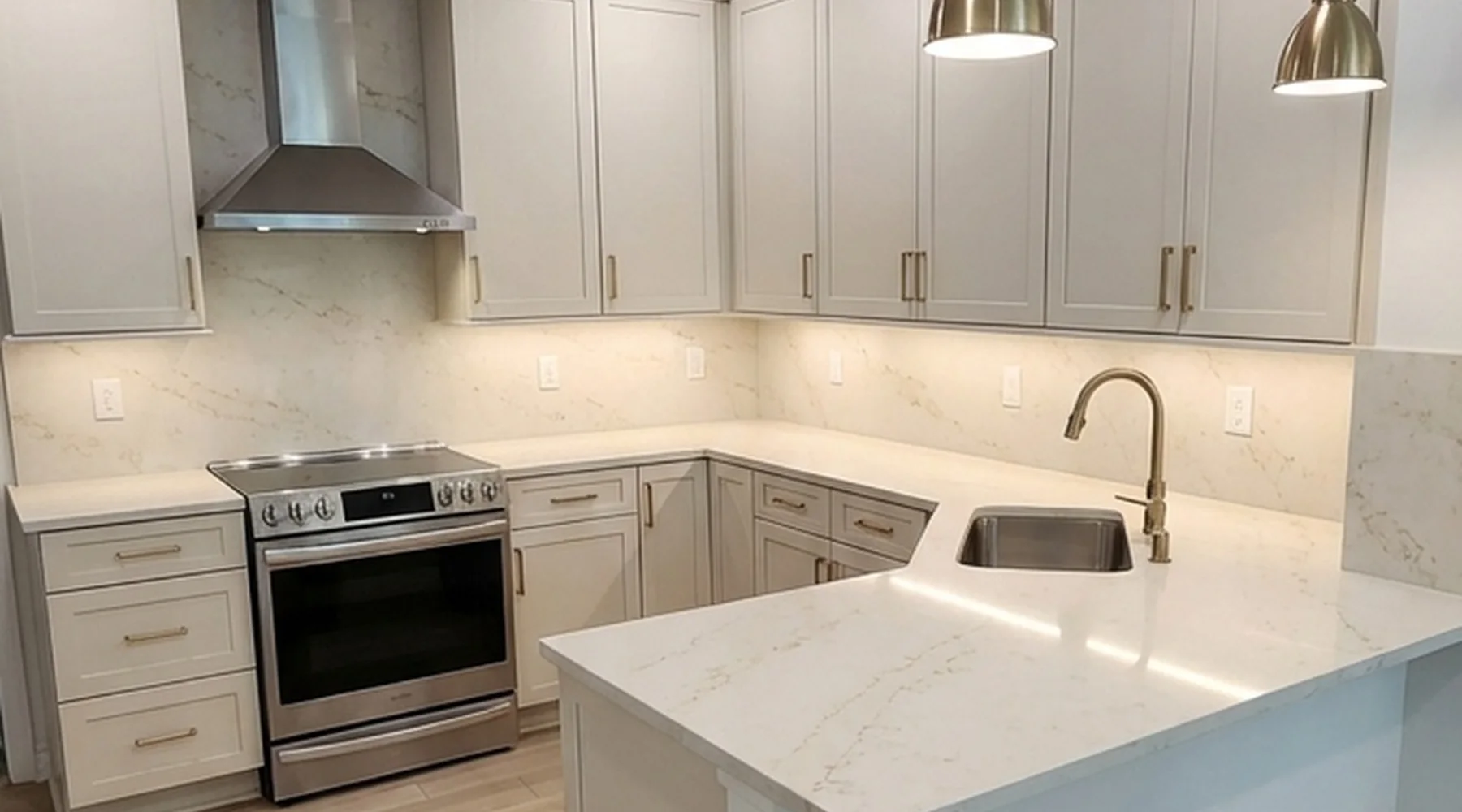
An open floor plan can transform the feel of your home, creating a bright, spacious, and connected environment perfect for family life and entertaining. However, designing a layout that is both beautiful and functional requires careful planning. It's about more than just removing walls; it involves creating distinct zones, managing acoustics, ensuring cohesive design, and maximizing storage. A successful layout feels intentional and organized, not like one large, undefined room.
This article explores 10 practical open plan living ideas, drawing from real remodeling projects. You'll learn specific strategies for layout, lighting, and furniture to create a space that is comfortable and perfectly suited to the South Florida lifestyle.
Quick Summary
- Define Zones: Use furniture, rugs, and lighting to create distinct functional areas for cooking, dining, and relaxing.
- Ensure Cohesion: Select a consistent palette of materials and finishes that tie the entire space together.
- Integrate Smart Storage: Use built-ins, multi-functional furniture, and hidden organization to control clutter.
- Plan for Flow: Ensure clear pathways for easy movement between zones.
- Consider Local Factors: Account for humidity, HOA rules, and the importance of indoor-outdoor living in South Florida.
1. Kitchen-Living Room Integration
One of the most popular concepts involves removing the walls between the kitchen and the living room. This creates a single, expansive social hub where cooking, dining, and relaxing can happen simultaneously. It allows the person in the kitchen to remain part of the conversation with family or guests in the living area, making it ideal for entertaining.

This layout greatly improves sightlines and the flow of natural light, making the entire space feel larger. A large kitchen island facing the living room sofa serves as both a functional workspace and a natural, low-profile divider. The key is creating a cohesive look that flows from one zone to the next.
To maintain a clean and unified feel, invest in a powerful, yet quiet, island exhaust system. This manages cooking odors and steam without disrupting conversations in the living area.
- Unified Flooring: Select a durable, easy-to-clean flooring material, like luxury vinyl plank or large-format porcelain tile, that can be used across both areas to create a continuous visual flow.
- Cohesive Cabinetry and Finishes: Ensure kitchen cabinets have finished sides, as they will be visible from the living room. Explore options for kitchen upgrades and cabinets to find a consistent style.
- Strategic Lighting: Plan for layered lighting with task lights in the kitchen, ambient fixtures over the island, and softer, dimmable lights in the living room.
2. Industrial-Modern with Exposed Elements
The industrial-modern aesthetic celebrates the building's structure by intentionally leaving elements like support beams and ductwork exposed. The result is a sophisticated blend of raw, utilitarian features with polished, modern furnishings that creates a character-rich space. This look is particularly effective in open layouts where these architectural details become focal points.
This approach is popular in urban loft conversions but is also increasingly used in custom homes to add texture and a sense of authenticity. For instance, pairing an exposed beam with sleek, minimalist kitchen cabinets and a polished concrete floor creates a stunning visual contrast. The open plan allows these strong elements to breathe without making the space feel cluttered.
The success of an industrial-modern design hinges on balance. To avoid a cold or unfinished look, soften the raw elements with warm materials like wood, leather, plush textiles, and abundant natural light.
- Strategic Color: Paint exposed ductwork and conduit in a cohesive matte black or charcoal gray to turn them into intentional graphic elements.
- Warm Counterpoints: Balance the coolness of concrete and metal with warm wood floors, a soft area rug, or a leather sofa to make the space feel inviting.
- Statement Lighting: Use large, industrial-inspired pendants or track lighting to reinforce the aesthetic and highlight architectural features.
3. Transitional Open Plan with Partial Dividers
For those who value openness but also crave a degree of separation, a transitional layout with partial dividers offers an excellent middle ground. This approach uses elements like half-walls, custom built-in shelving, or sliding doors to subtly define zones without completely closing them off. This allows you to maintain clear sightlines and light flow while creating functional and visual boundaries.
This design balances the expansive feel of an open concept with the practical need for privacy and noise reduction. For instance, a half-wall peninsula can separate a kitchen from a dining area, providing extra counter space while keeping the spaces connected. A stylish sliding barn door can close off a home office when focus is needed but open up to the main living area after hours.
Partial dividers are most effective when they serve a dual purpose. An open shelving unit not only separates two areas but also provides valuable storage and display space.
- Purposeful Placement: Ensure partial walls or dividers align with your home’s architectural style and don't obstruct natural traffic patterns or light sources.
- Material Consistency: Match the finishes and materials of the divider to other elements in the room, such as cabinetry or trim, to create a polished, built-in appearance.
- Sliding Mechanisms: When using sliding doors, choose hardware that complements your decor, whether it’s a rustic barn door track or a sleek, concealed modern system.
4. Scandinavian Minimalism in Open Spaces
Rooted in Nordic design principles, this approach centers on simplicity, functionality, and visual quiet. It uses clean lines, neutral colors, and abundant natural light to make spaces feel larger and more serene. By eliminating clutter and focusing on essential, well-crafted pieces, Scandinavian minimalism creates an atmosphere of calm and order that is perfectly suited to Florida’s bright, modern homes.
This design philosophy is less about what you add and more about what you thoughtfully leave out. It encourages an intentional lifestyle where every object has a purpose and a place. Pairing white walls with blonde wood floors and cabinetry establishes a bright, airy foundation that is both timeless and practical.
To prevent a minimalist space from feeling cold, layer a variety of soft, natural textures. A wool throw blanket, linen curtains, and a few leather accents can add significant warmth and depth without creating visual clutter.
- Invest in Concealed Storage: Use built-ins and clever cabinetry to keep everyday items out of sight. A minimalist appearance is only possible when there is a place for everything.
- Emphasize Natural Materials: Ground the space with organic elements like wood, stone, and potted plants. These materials add warmth and connect the interior to the outdoors.
- Strategic, Warm Lighting: Use light fixtures with a warm color temperature (2700K-3000K) to create a cozy, inviting glow in the evenings.
5. Open Plan with an Integrated Home Office Nook
The rise of remote work has made a dedicated home office a necessity for many. This approach involves integrating a functional workspace directly into the main living area. Rather than sacrificing a whole room, this design uses built-in desks, clever furniture placement, or partial walls to create a defined work zone that maintains the airy, connected feel of the home.
This is perfect for homeowners who need a professional space but don't want to feel isolated. A desk nook facing a window provides natural light, while a station integrated within kitchen cabinetry can create a seamless hub for managing the household. The key is to blend the workspace's function with the room's overall aesthetic.
Choose a desk and chair that complement your home's decor, not standard office furniture. This ensures the workspace feels like an intentional part of the design.
- Visual Separation: Use a stylish room divider or even a tall bookcase to create a visual boundary that can be opened or closed as needed.
- Smart Storage: Integrate custom cabinetry or floating shelves to keep work-related clutter out of sight, maintaining a clean appearance in the main living area.
- Dedicated Lighting: Install focused task lighting, such as an adjustable desk lamp or under-cabinet LEDs, to provide proper illumination for work without affecting the ambient light of the living space. You can discover more options by reviewing our home office design ideas.
6. Mixed Materials and Textures for Visual Interest
An effective way to prevent a large, open-plan space from feeling monotonous is to introduce a variety of materials and textures. This design approach creates depth and character, adding warmth and preventing visual fatigue. By layering elements like wood, metal, stone, and rich textiles, you can define zones and add personality while maintaining a cohesive look through a unified color palette.
For example, a kitchen might feature sleek stainless steel appliances, dark wood cabinetry, and a polished marble countertop, all set against a living area with a plush area rug and linen sofa. The contrast between hard and soft surfaces makes each element stand out.
Start with a simple, neutral color palette to act as a unifying backdrop. This allows you to mix materials like reclaimed wood, concrete, and metal without creating a space that feels visually chaotic.
- Limit Your Palette: Stick to four to six primary materials to maintain balance. For instance, you could use wood, stone, metal, and a primary textile to build a cohesive design.
- Create Contrast: Use high-contrast pairings for dramatic effect, such as light wood flooring against a dark stone feature wall or smooth concrete floors with a textured wool rug.
- Focus on Transitions: Ensure clean, well-executed transitions where different materials meet, such as where tile flooring meets wood. This detail signals quality craftsmanship.
7. Smart Storage and Hidden Organization
One of the biggest challenges in open plan living is controlling clutter. This approach makes storage an integral part of the architecture, using built-in cabinetry, floor-to-ceiling shelving, and hidden closets to keep items out of sight. It's the practical foundation that allows open designs to feel serene and organized.

A modern Florida home might feature a floor-to-ceiling storage wall that conceals a television, entertainment system, and even a small desk. In a kitchen, a "hidden pantry" or an "appliance garage" can keep countertops clear while ensuring everything remains accessible.
Successful open plan storage isn't just about hiding things; it's about thoughtful organization. Planning for specific storage needs from the start prevents visual clutter.
- Assess Needs First: Before designing built-ins, catalog what you need to store. This ensures the solution is perfectly suited to your lifestyle.
- Maximize Vertical Space: Use floor-to-ceiling shelving or cabinetry. This draws the eye upward, enhances the feeling of height, and provides a tremendous amount of storage.
- Mix Open and Closed Storage: Combine closed cabinets for hiding clutter with a few open shelves for displaying decor. This creates a balanced look that feels both personal and tidy. Explore these living room storage solutions for more ideas.
8. Lighting Design to Define Spaces
Effective lighting is a powerful tool in open plan design. A strategic lighting plan uses different fixtures and layers of light to create visual separation and define zones without walls. It establishes a clear hierarchy and sets the mood for different activities.
For example, a row of pendant lights over a kitchen island creates a distinct focal point that separates the cooking area from the adjacent living space. A dramatic chandelier can anchor a dining area, while recessed lights provide general ambient light. This layered approach ensures both functionality and atmosphere.
Plan your lighting design during the initial layout phase, not as an afterthought. Integrating electrical plans early ensures fixtures are placed for maximum impact and proper functionality, avoiding costly retrofitting.
- Layer Your Lighting: Combine ambient (general overhead), task (focused on work areas), and accent (highlighting features) lighting.
- Install Dimmers: Use dimmers on all major circuits to easily adjust the mood from bright and functional to soft and relaxing.
- Warm Color Temperature: Choose bulbs with a warm color temperature (2700K to 3000K) for living areas to create a comfortable, inviting atmosphere.
9. Indoor-Outdoor Flow with Seamless Transitions
Extending open-plan principles beyond your home's interior walls is particularly impactful for Florida living. This approach creates a seamless transition to outdoor spaces like patios and lanais. Using large sliding doors and consistent flooring effectively dissolves the boundary between inside and out, significantly expanding the perceived living area.

This design is a hallmark of modern Florida homes. Imagine opening a wall of bifold glass doors to merge your great room with a beautifully furnished outdoor lounge. To truly enhance this feeling of expansive living, seamlessly extending your indoor space to the outdoors is key. You can achieve this by referring to a practical guide to outdoor living space design.
In Florida, hurricane-resistant glass and reinforced framing for large doors are not just upgrades; they are essential investments for safety and peace of mind without compromising the open, airy aesthetic.
- Continuous Flooring: Use a matching or complementary flooring material for your patio that coordinates with your interior floors to create a strong visual link.
- Weather-Resistant Furnishings: Select outdoor furniture and rugs that echo the style and color palette of your interior. High-performance fabrics ensure durability against sun and humidity.
- Strategic Shading: Install a pergola, retractable awning, or covered lanai to make the outdoor area comfortable year-round.
10. Multi-Functional Furniture and Flexible Spaces
Open plan living requires flexibility, making multi-functional furniture a cornerstone of smart design. This approach centers on pieces that serve multiple purposes, allowing spaces to adapt instantly to current needs. It's about making every square foot work harder, a key principle in modern home design.
For example, a kitchen island can provide bar-style seating, extra storage, and a food prep surface all in one. In the living area, an ottoman with hidden storage can hide away blankets and remotes. The goal is to choose pieces that look intentional and stylish. To truly bring your open concept vision to life, consider applying smart home staging tips that enhance flow and visual appeal.
When selecting multi-functional furniture, prioritize quality construction. Pieces that convert, fold, or move are subjected to more wear and tear, so robust mechanisms and durable materials are essential.
- Invest in Modularity: Choose modular sofas that can be reconfigured to suit different occasions, from a large gathering to a cozy movie night.
- Smart Storage Solutions: Use ottomans with built-in storage to hide away blankets, remotes, and magazines, keeping the living area tidy.
- Measure for Transformation: Before buying convertible furniture like an expandable dining table, measure the space to ensure there is adequate clearance for it in both its compact and extended forms.
Local Note: Jupiter / Palm Beach County
- HOA & Condo Approvals: Many Jupiter and Palm Beach Gardens communities have strict architectural review boards. Plans for removing walls, especially in condos, require board approval and often a structural engineer's review to ensure you are not altering load-bearing structures.
- Humidity & Material Choice: South Florida’s humidity demands materials that resist warping, mildew, and moisture damage. Choose engineered wood or luxury vinyl plank over solid hardwood, and ensure cabinetry is rated for high-humidity environments.
- Dust & Debris Control: Renovating an open concept while living in the home requires a meticulous dust control plan. Zippered plastic walls, negative air pressure machines, and daily site cleaning are critical to keeping the rest of your home livable.
- Hurricane-Rated Windows & Doors: When creating large openings for indoor-outdoor flow, using impact-rated glass is not just a code requirement but a practical necessity for storm protection.
What We See on Real Projects
- The "One Big Room" Problem: Homeowners sometimes remove too many walls without a plan for defining zones. The result is a cavernous, noisy space where furniture feels lost. Use large area rugs, strategic furniture grouping, and lighting to create "rooms within a room."
- Underestimating HVAC Needs: Removing walls changes how air circulates. An open plan often requires re-evaluating HVAC ductwork and return locations to ensure consistent cooling and heating without hot or cold spots.
- Forgetting About Noise: Sound travels easily in an open layout. We often recommend using soft materials like area rugs, upholstered furniture, and draperies to absorb sound and reduce echo.
- Inconsistent Flooring Transitions: A common mistake is using visually jarring flooring transitions between the kitchen and living area. A continuous floor material is almost always the best choice for a seamless look.
- Planning Electrical Outlets Last: Homeowners often forget to plan for floor outlets in large living areas, leading to visible extension cords running to lamps or electronics. Plan these locations early.
Mistakes to Avoid
- Ignoring Load-Bearing Walls: Never remove a wall without confirming if it's load-bearing. Misidentifying this can have catastrophic structural consequences. Always consult a licensed contractor or structural engineer.
- Creating Awkward Traffic Flow: Ensure your new layout provides clear, logical pathways between zones. Furniture should guide movement, not obstruct it.
- Forgetting About "The Mess": An open kitchen means dirty dishes are always on display. Plan for a deep sink, a quiet dishwasher, and ample counter space next to the sink to help contain and conceal daily mess.
- Mismatching Styles: While you can mix materials, the overall style of the kitchen, dining, and living zones should feel cohesive. A hyper-modern kitchen next to a rustic living room can feel disjointed.
- Neglecting a Lighting Plan: Relying on a single overhead light fixture will leave an open-plan space feeling flat and poorly lit. A layered lighting plan is non-negotiable.
When to Call a Pro
While choosing furniture and paint colors can be a DIY task, creating a successful open plan renovation often requires professional expertise. Call a design-build contractor if your project involves:
- Removing any wall, especially if you suspect it might be load-bearing.
- Relocating plumbing, electrical, or HVAC systems.
- Requiring building permits for structural, electrical, or plumbing work.
- Integrating complex elements like custom built-ins, large-format glass doors, or significant lighting changes.
A licensed contractor can confirm requirements, handle permitting, and ensure the project is structurally sound and up to code.
Next Step
If you're ready to create a beautiful, functional, and seamless open-plan living space in your Jupiter-area home, the team at MELTINI Remodeling can help.
Schedule a consultation