
If you're getting ready to sell, it's easy to waste money in the wrong places. A lot of homeowners start with whatever bothers them most. That isn't always what buyers notice first, and it isn't always what helps the sale price.
In Jupiter and the rest of Palm Beach County, the best pre-sale work is usually strategic, not dramatic. The right sequence matters. Assess the house objectively, decide where your market expects updates, fix the items that make buyers hesitate, and stop before you overbuild for the neighborhood.
If you're wondering how to increase home value before selling, the short answer is this: improve function, remove visible neglect, and make the house feel easy to move into.
Start with a Strategic Assessment
The first step isn't picking tile or paint. It's deciding what kind of sale you're trying to support.
A house headed into a move-in-ready price bracket needs a different plan than a house that will attract buyers looking to renovate anyway. If you miss that distinction, you can spend real money on work that doesn't change the outcome.
Look at the house like a buyer
Walk your home as if you're seeing it for the first time. Start at the curb, then the entry, then the kitchen, primary bath, living areas, and storage.
Pay attention to what creates friction:
- Deferred maintenance: Chipped trim, stained grout, damaged doors, loose handles, or aging caulk
- Visual clutter: Too much furniture, crowded counters, overfilled closets, mixed flooring, busy wall colors
- Functional problems: Poor lighting, awkward kitchen flow, limited bath storage, worn flooring, dated fixtures
- Buyer hesitation points: Signs of moisture, old finishes, obvious patchwork repairs, unfinished spaces
Practical rule: Buyers forgive a home for not being brand new faster than they forgive a home that feels neglected.
That distinction matters in resale. A clean, orderly, well-maintained home often performs better than a partially updated home with obvious loose ends.
Study the neighborhood before spending
Before you authorize any remodel, compare your house to nearby listings and recent sales in your part of Jupiter, Tequesta, Juno Beach, or Palm Beach Gardens.
You're looking for patterns, not perfection.
Ask simple questions:
- What level of finish is normal here
- Do competing homes have updated kitchens and baths
- Are buyers paying more for open, brighter interiors
- Would your home still look dated next to nearby alternatives after the work is done
Many sellers overspend. They renovate for their personal taste instead of for the market position of the home. A premium finish package doesn't automatically create premium value if the neighborhood doesn't support it.
Separate needs from wants
Make three lists before you touch anything.
| Category | What belongs there | Why it matters |
|---|---|---|
| Must fix | Visible damage, wear, moisture concerns, broken fixtures, unsafe items | These can weaken buyer confidence |
| Should improve | Kitchen refresh, bath updates, flooring continuity, lighting, paint | These help photos, showings, and offers |
| Nice if budget allows | Built-ins, custom details, specialty finishes, layout changes with limited resale effect | These are easy places to overspend |
The goal is to direct money toward the spaces buyers judge hardest and earliest.
Decide your ceiling
Pre-sale work should support resale, not become an open-ended renovation. Set a budget range and a stopping point.
If the kitchen needs attention, that may be where your money belongs. If the kitchen is acceptable but the whole house feels tired, paint, lighting, and flooring consistency may move the needle more.
A strategic assessment keeps emotion out of the process. That's what prevents a last-minute scramble and helps you invest where buyers respond.
Focus on High-ROI Remodels Kitchens and Bathrooms
Most buyers make up their minds about a home's condition from the kitchen and bathrooms. Those rooms carry the most visual weight, the most functional expectations, and the most repair anxiety.
That doesn't mean every seller needs a full gut renovation. It means these are the first places to evaluate with discipline.
Early in the process, it helps to see the kitchen-bath comparison at a glance.

The kitchen usually carries the bigger decision
A dated kitchen tells buyers two things at once. The house may need work, and that work may be expensive.
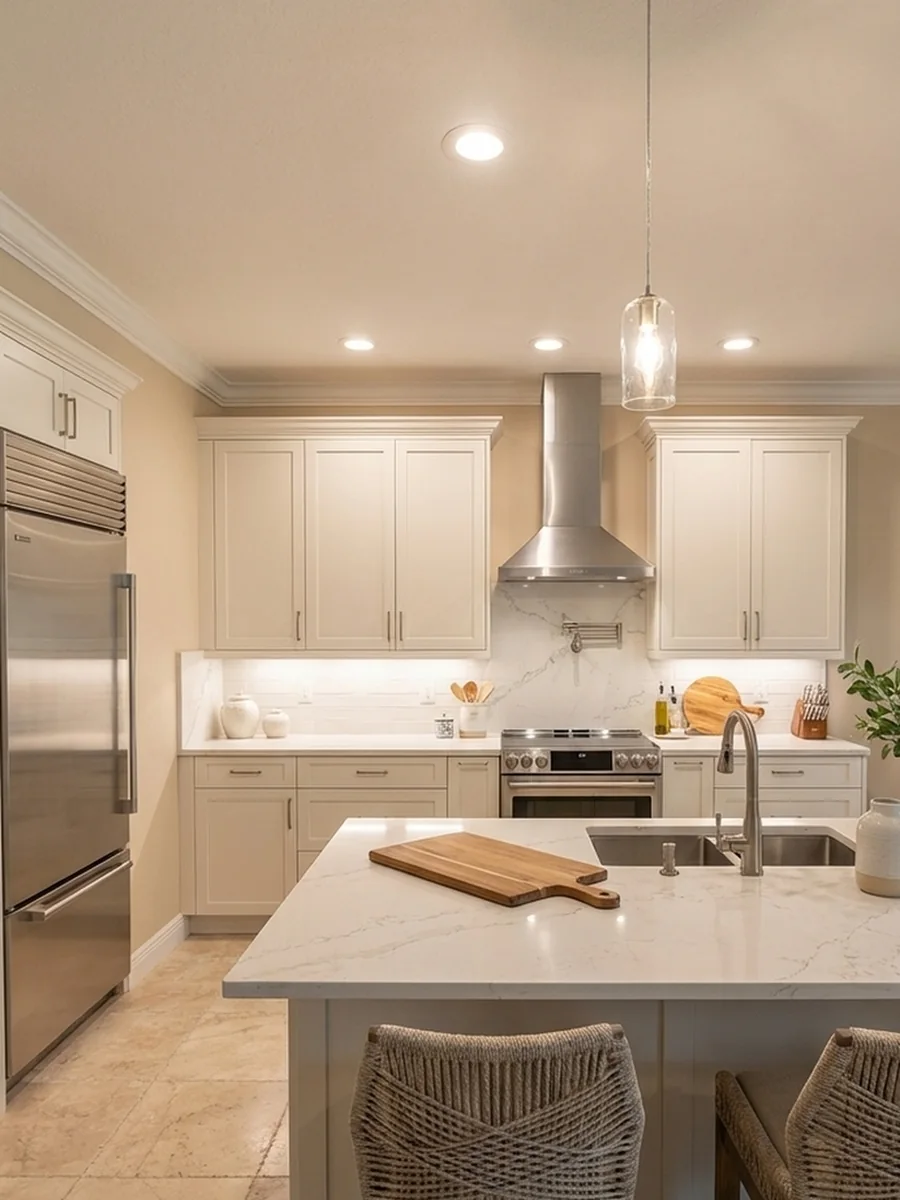
By contrast, a kitchen that feels bright, functional, and efficient gives buyers a sense that the home has been cared for. That's why selective kitchen work often makes sense before listing.
According to Bankrate's summary of value-adding upgrades, energy-efficient kitchen remodels can yield up to 60% to 80% return on investment, and in Palm Beach County, upgrades like Energy Star appliances and improved lighting can add $15,000 to $25,000 to sale price.
That doesn't mean every appliance package pays back equally. It means buyers respond when the kitchen feels current, efficient, and easy to live with.
What tends to work in a pre-sale kitchen
A minor or moderate kitchen update often makes more sense than a fully custom overhaul.
Focus on changes buyers can see and feel right away:
- Lighting that improves the room: Replace dim or outdated fixtures. Better lighting helps photos and makes finishes look cleaner.
- Cabinet updates that avoid full replacement when possible: Repainting solid cabinets or replacing worn fronts can be enough if the layout works.
- Counters and surfaces that feel durable: Quartz is often a safe choice because it reads clean and low-maintenance.
- Appliances that support efficiency: If the existing set looks mismatched or dated, updated energy-efficient models can help the kitchen feel complete.
- Hardware and faucet replacement: These are small details, but buyers notice them immediately.
If you're weighing budget against resale, this overview of financing a kitchen remodel and its ROI is useful for thinking through the scope before you commit.
Later in the decision process, video can also help homeowners visualize what a practical remodel changes.
What usually doesn't pay back
The biggest mistake in kitchens is confusing personal dream upgrades with resale upgrades.
Avoid choices that narrow the buyer pool:
- Highly specific finishes: Bold stone movement, unusual cabinet colors, or statement backsplashes
- Luxury upgrades disconnected from the house: A premium kitchen inside an otherwise average-condition home can create mismatch
- Layout work without clear benefit: Moving plumbing or walls only makes sense if the current plan is actively hurting function
Buyers respond best to kitchens that feel finished, clean, and easy to maintain. They don't need your exact taste. They need fewer objections.
Bathrooms need clarity, not extravagance
Bathrooms affect resale for a different reason. Buyers don't spend as much time there, but they judge them quickly and harshly.
A bathroom can feel old fast. Dated light bars, yellowing finishes, damaged grout, busy tile patterns, and weak storage all make a home feel less cared for.
A good pre-sale bath update usually centers on:
| Priority | Why buyers care |
|---|---|
| Clean lines | Makes the room feel newer without major reconstruction |
| Better lighting | Helps the space feel larger and cleaner |
| Updated fixtures | Signals maintenance and consistency |
| Fresh vanity or top | Creates a stronger focal point |
| Glass, tile, and grout cleanup | Reduces the sense of upcoming work |
For a deeper look at what tends to matter most in resale-focused bath work, this breakdown on bathroom renovation value is worth reviewing: https://meltiniremodeling.com/bathroom-renovation-roi/
Refresh or remodel
Use this simple decision test.
Choose a refresh if:
- The layout works
- The vanity is dated but functional
- Tile is acceptable but tired
- Lighting and fixtures are the main problem
Choose a larger remodel if:
- The room feels cramped because of the layout
- The shower or tub area shows wear that buyers will question
- Storage is poor
- The bath drags down the home's overall price bracket
In pre-sale work, the point isn't to create the most luxurious version of the room. The point is to remove resistance and support the home's target price.
Boost Value with High-Impact Lower-Cost Updates
A lot of resale value comes from work that isn't glamorous at all. It comes from making the house feel crisp, maintained, and easy to understand in photos and in person.
That's where lower-cost updates do real work.

Start outside because buyers do
The first impression is formed before anyone reaches the entry. If the approach feels tired, buyers start looking for problems.
According to Zillow's 2024 research on home improvements that influence value, homes with black front doors can sell for $6,450 more on average, and 32% of sellers paint their home's interior before listing.
That lines up with what contractors and agents see every day. Paint, pressure washing, and basic yard cleanup do more than freshen the house. They change the buyer's mood before the showing even starts.
The updates that usually pull their weight
These are often worth doing before larger cosmetic work:
- Front door paint: A clean, current front door sharpens the whole elevation.
- Power washing: Driveways, walkways, lanais, and exterior walls collect buildup fast in South Florida.
- Yard cleanup: Trim overgrowth, edge beds, replace sparse mulch, and clear the entry path.
- Exterior touch-up painting: Focus on visible wear, not decorative reinvention.
- Updated house numbers and hardware: Small details make the property feel cared for.
Inside the house, consistency matters more than flair
Many homes don't need a dramatic interior update. They need fewer distractions.
The strongest lower-cost improvements are usually:
- Neutral paint in the main living areas
- Replacement of dated light fixtures and ceiling fans
- New cabinet hardware where the cabinets are still serviceable
- Caulk, grout, patch, and trim repairs
- Decluttering and furniture editing
If you're deciding whether to stage or to simplify, this article on what is staging a house and how it increases home value is a practical reference point.
A home that reads clean and coherent usually shows better than a home full of small style statements.
The best low-cost work often supports bigger-value work
These smaller updates can also strengthen larger improvements. A refreshed kitchen doesn't land the same way if the walls around it are scuffed and the adjoining lighting is dated.
For homeowners looking at efficiency-related updates beyond the kitchen, this page on energy-saving improvements can help frame what buyers tend to notice in daily use: https://meltiniremodeling.com/energy-efficient-home-upgrades/
A buyer doesn't tally every repair individually. They absorb the overall signal. Clean, bright, maintained homes feel safer to buy.
A Practical Pre-Listing Renovation Checklist
Most pre-sale projects get messy because homeowners treat everything as equally urgent. It helps to work in phases and lock decisions before trades start.

Planning and budgeting
Start with the items that shape every later decision.
- Review competing homes: Compare finish level, condition, and presentation in your area.
- Build a scope list: Separate must-fix items from optional upgrades.
- Set a spending ceiling: Decide in advance where you'll stop.
- Get contractor input early: This helps you avoid wasting money on cosmetic work that may be undone later.
Major project phase
Handle larger work before paint, staging, or deep cleaning.
- Finalize kitchen or bath scope
- Order long-lead materials early
- Address flooring continuity
- Complete any planned built-ins, vanity replacement, or countertop work
- Resolve visible repair items that could raise inspection concerns
Depending on scope, especially electrical, plumbing, or structural work, this may require a permit. A licensed contractor can confirm requirements and handle permitting.
Minor updates and repairs
Once major work is done, sharpen the house.
| Task | Why it belongs late |
|---|---|
| Interior paint | Avoids damage from earlier trade work |
| Fixture and hardware replacement | Best installed after dusty work ends |
| Trim and caulk touch-ups | These finish the visual edges |
| Door and cabinet adjustments | Small corrections improve the feel of the house |
| Punch-list cleanup | Removes the signs of partial work |
Final presentation
The last phase isn't renovation. It's sales preparation.
- Deep clean glass, floors, baths, and kitchen surfaces
- Reduce furniture if rooms feel tight
- Clear countertops and open shelving
- Edit closets and storage areas
- Prepare for photography and showings
A well-run checklist keeps the work from fighting itself. That's how you avoid paying twice for the same area.
Local Note Selling Your Home in Jupiter and Palm Beach County
Pre-sale remodeling in this area has a few local realities that generic advice misses.
In Jupiter, one homeowner may be preparing a single-family home in a gated community. Another may be updating a condo with strict access rules, work-hour limits, and approval requirements. The scope might be simple, but the logistics can still slow the job if they aren't handled early.
Four local factors that matter
- HOA and condo review can affect even straightforward updates: Exterior paint colors, delivery timing, elevator use, protection requirements, and work windows can all come into play.
- Humidity changes material decisions: Paint, flooring, cabinetry, and trim need to hold up in a damp environment.
- Salt air affects exposed finishes: In coastal areas, hardware, fasteners, and some fixture finishes age faster.
- Buyers in this market notice polish quickly: A house doesn't have to be flashy, but it does need to feel intentional and well kept.
A common local example is the seller who wants to update a bathroom vanity and lighting in a condo, only to find that access coordination, protection requirements, and association rules shape the schedule more than the work itself.
Another one is the homeowner who chooses a flooring product based on appearance alone, then realizes later that moisture resistance mattered more than the showroom sample suggested.
In Palm Beach County, the right material is the one that still looks good after daily humidity, sandy traffic, and coastal air, not just the one that looks best on installation day.
Open, bright interiors also tend to read well here. Heavy visual choices can make a room feel smaller and darker than buyers expect from a South Florida home.
What We See on Real Renovation Projects

A few patterns show up again and again on real projects.
Kitchen flow problems matter more than sellers expect
The most common layout issue isn't always that the kitchen is too small. It's that the working parts are fighting each other.
We often see islands placed where traffic needs to move, refrigerator doors blocked by adjacent cabinetry, or not enough practical landing space near cooking and prep areas. Buyers may not describe the problem in those terms, but they feel it immediately.
Sequence problems create avoidable cost
Homeowners sometimes try to save time by overlapping too many trades. That usually backfires.
A cleaner sequence is to settle design decisions first, then complete demolition, rough work, inspections where required, and only after that move into surfaces, paint, fixtures, and finish details. If you reverse that order, somebody usually ends up protecting, redoing, or repairing work that was already complete.
Buyers respond to practicality
Sellers often start by asking for standout features. In resale work, key wins are usually simpler:
- Better storage
- Stronger lighting
- Durable finishes
- A more open feel
- Cleaner transitions between rooms
The niche upgrade that sounds exciting on paper often matters less than a kitchen that works well or a bath that feels easy to maintain.
Partial remodeling is easy to spot
One thing buyers notice quickly is when only the obvious surfaces were changed. New counters with tired cabinets, fresh paint with stained trim, or an updated vanity beside an aging shower surround can make the house feel halfway done.
That doesn't mean you need to renovate everything. It means the visible pieces need to feel coordinated.
Costly Mistakes to Avoid Before You List
The biggest pre-sale mistake is spending like you're staying.
That mindset leads to choices that may be beautiful, but don't improve market position enough to justify the cost.
Over-improving for the neighborhood
A house should compete well against nearby alternatives. It doesn't need to outbuild them all.
If surrounding homes at your price point have clean, updated finishes, a sensible refresh may be enough. If you install custom elements far above neighborhood expectations, buyers may admire them without paying enough extra for them.
Choosing finishes that are too personal
Strong personal design choices can limit appeal. That's especially true before resale.
Be careful with:
- Very specific cabinet colors
- Busy decorative tile
- Highly stylized lighting
- Statement hardware used everywhere
- Luxury details that only match one taste
A broad buyer pool usually responds better to quiet, durable, current selections.
Ignoring permits and paperwork
Some sellers try to rush through electrical, plumbing, or structural work because listing day feels close. That's a mistake.
Depending on scope, especially electrical, plumbing, or structural work, this may require a permit. A licensed contractor can confirm requirements and handle permitting.
Skipping that step can create problems during inspection, appraisal, or buyer due diligence.
The goal is not to make the home look newly remodeled at any cost. The goal is to make buyers comfortable saying yes.
Starting too much at once
Another common error is launching multiple projects without deciding the order. That creates dust, damage, and duplicate labor.
A smarter approach is to fix what affects value most, then stop. A shorter, cleaner list often produces a better result than an ambitious list that's only partly finished when the house hits the market.
When and How to Plan Your Project
Some pre-sale work is reasonable to handle yourself. Painting a bedroom, replacing cabinet hardware, decluttering, or swapping a light fixture can be manageable if the finish quality is solid.
The line changes when layout, plumbing, electrical, waterproofing, cabinetry, tile, or inspections become part of the job. That's where mistakes get expensive fast, especially in kitchens and bathrooms. If the work needs to look flawless for listing photos and buyer walk-throughs, professional coordination matters.
For larger kitchen planning decisions, this guide can help you think through scope before work begins: https://meltiniremodeling.com/how-to-plan-a-kitchen-remodel/
A good pre-sale project plan usually follows this order:
- Assess the home's position in the local market
- Choose the few updates most likely to influence buyers
- Confirm budget and material selections early
- Handle major work before cosmetic finishing
- Leave enough room for cleaning, staging, and photography
If you're listing soon, don't try to solve every imperfection. Solve the ones buyers will read as cost, effort, or risk. That's what increases confidence, and confidence is what supports stronger offers.
If you want a clear plan for pre-sale updates in Jupiter or Palm Beach County, MELTINI Remodeling can help you sort out what to improve, what to leave alone, and how to approach the work without overspending. Schedule a consultation.